Bavaria & Southern Germany
Munich -Neuschwanstein and Linderhof Full Day Private Excursion
Private Day Excursion from Munich to Neuschwanstein and Linderhof Two castles, one king, one day. Neuschwanstein is the building the…
View tourA capital that behaves like a large village, with the Alps an hour south and the best-funded museums in Germany inside the ring road.
Why Munich
The palace in the city
The Residenz was the Wittelsbach seat for 500 years. Its Antiquarium is a 66-metre Renaissance hall and the most impressive room in Bavaria — and most visitors skip it for a castle two hours away.
Old masters, two hundred metres apart
The Alte Pinakothek, the Neue, the Moderne and the Lenbachhaus with the largest Blaue Reiter collection anywhere. Three of the four are within a short walk.
The Alps are an hour away
Tegernsee, the Starnberger See and the Bavarian lakes give the mountain day without the castle queue — and without four hours in the car.
The beer hall you name is not the one to book
The Hofbraeuhaus is almost entirely visitors. The Augustiner-Keller and the Hirschgarten are where the city drinks, and the evening is a different one.
Munich is the third-largest city in Germany and does not feel like it. The old centre is walkable end to end in half an hour, the river runs through it with people swimming in it in summer, and the Alps are visible from the upper floors on a clear day. Clients arriving from Berlin notice the difference immediately: Berlin is a capital that argues with itself, Munich is a capital that is comfortable.
What it is not is a place you can see in a morning. The museum holdings alone justify two full days, and the two things most first-time visitors have come for — Neuschwanstein and the Alps — are day trips out of the city, not sights within it. An itinerary that gives Munich one night and expects the castle as well will disappoint, and we say so before it is sold.
The Residenz is the largest city palace in Germany and the one most visitors skip in favour of Neuschwanstein, which is the wrong way round. It was the seat of the Wittelsbachs for 500 years, and the Antiquarium — a 66-metre Renaissance hall lined with busts and painted vaults — is the single most impressive room in Bavaria. The Treasury next door holds a thousand years of crowns and reliquaries.
The art is exceptional and clients rarely know it. The Alte Pinakothek holds one of the world’s great old-master collections, the Neue Pinakothek the nineteenth century, the Pinakothek der Moderne the twentieth, and the Lenbachhaus holds the Blaue Reiter group — Kandinsky, Marc, Muenter — in the largest concentration anywhere. Three of these are within two hundred metres of each other.
Beyond that: Marienplatz and the Glockenspiel, the Viktualienmarkt, the Asamkirche, the Englischer Garten with the surfers on the Eisbach standing wave, and Nymphenburg out to the west with its park and porcelain. For clients with an interest in engineering, the Deutsches Museum is the largest science and technology museum in the world and needs half a day of its own.
Neuschwanstein is two hours each way and is the reason many clients came to Germany at all. The important detail: the interior is seen only on the castle’s own timed tour, in the language and at the minute printed on the ticket. An outside guide accompanies the party to the gate and takes over afterwards. Tickets are timed and limited, and in summer they must be held weeks ahead. Combined with Linderhof or Oberammergau it makes a full and satisfying day; alone it is a lot of driving for forty minutes inside a building.
Closer in, the Alpine lakes — Tegernsee, Starnberger See, the Koenigssee further south — are under an hour and give the mountain day without the castle queue. Salzburg is ninety minutes and crosses into Austria. Nuremberg and Rothenburg are the Franconian direction and work as a pair.
The Hofbraeuhaus is the one clients name and the one we book last. It is enormous, it is loud, and it is almost entirely visitors. The Augustiner-Keller, the Loewenbraeukeller and the beer gardens at the Chinesischer Turm and the Hirschgarten are where the city actually drinks, and the difference in the evening a client remembers is considerable. Under the chestnut trees at the Hirschgarten there is seating for eight thousand people and it is still, somehow, pleasant.
Oktoberfest runs from late September into the first days of October. Tent tables are allocated through the tents themselves, they are gone ten to twelve months ahead, and the city’s hotel rates roughly double for the duration. If a client wants Oktoberfest, the conversation happens a year out, not in July.
May, June and September are the best weeks: warm, long light, and the beer gardens open. July and August are hot and busy. Oktoberfest and the large trade fairs distort hotel availability far beyond their own dates — we check the fair calendar before confirming any autumn programme. Advent turns Marienplatz over to the Christkindlmarkt and is genuinely lovely in the early evening, before the crowds arrive after work.
The interior is seen only on the castle’s own timed tour, in the language and at the minute printed on the ticket. Your guide accompanies the party to the gate and takes over afterwards. We say this before the day is sold, not after.
Two hours each way. Combined with Linderhof or Oberammergau it is a full and satisfying day; alone it is a great deal of driving for forty minutes inside a building.
From the programme
Bavaria & Southern Germany
Private Day Excursion from Munich to Neuschwanstein and Linderhof Two castles, one king, one day. Neuschwanstein is the building the…
View tour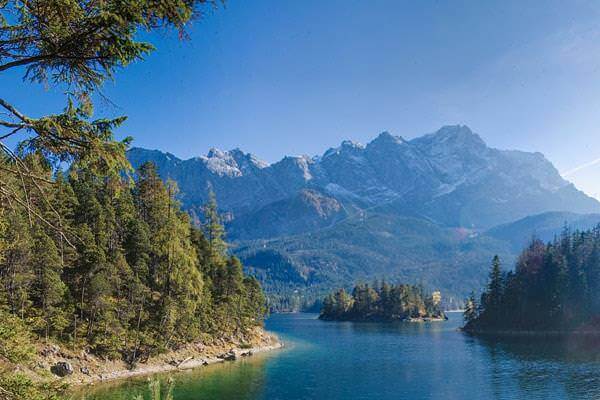
Bavaria & Southern Germany
Oberammergau 2030 – Five-Day Private Passion Play Heritage Tour Oberammergau has staged its Passion Play once a decade since 1634,…
View tour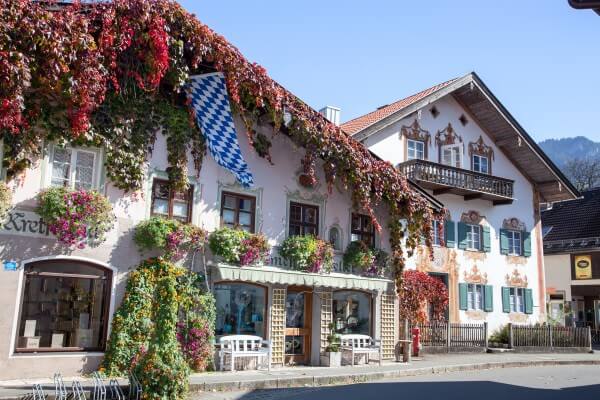
Bavaria & Southern Germany
Munich and Bavaria – Eight-Day Private Journey Through the South Four bases in eight days, running north to south from…
View tourPractical
Two nights sees the city properly. Three lets you add one day trip — castle, lakes or Salzburg. Clients who want Neuschwanstein and the city both need three, and an itinerary that promises both on one night will disappoint.
Ten to twelve months ahead. Tent tables are allocated by the tents themselves and hotel rates roughly double for the duration. If a client wants Oktoberfest, the conversation happens a year out.
Munich hosts several of the largest trade fairs in Europe, and they distort hotel availability and rates far beyond their own dates. We check the fair calendar before confirming any autumn programme.
Both. Salzburg is ninety minutes and crosses into Austria, which suits a two-country week. Nuremberg and Rothenburg are the Franconian direction and work as a pair on the way north.
Send the dates, the party and whether the castle is a must. We come back with a routing, held tickets and net rates.
Request net ratesAdvisor enquiries only · Virtuoso Preferred Supplier since 2013