
Berlin
Shore Excursion Berlin City Tour
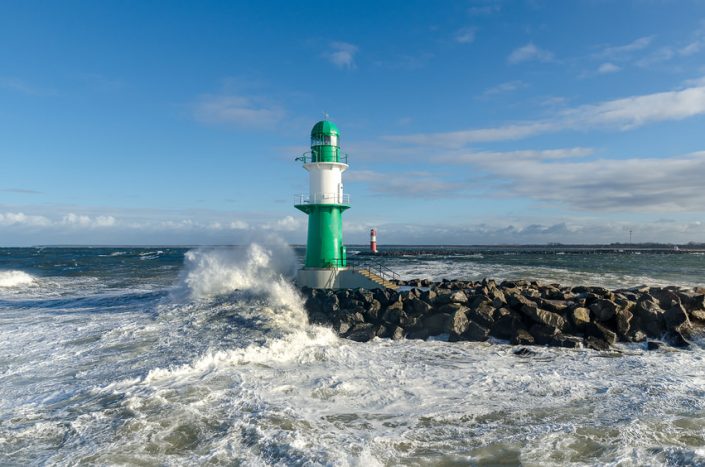
Berlin Shore Excursion from Warnemuende – Private City Tour by Car Berlin is the reason most ships call at Warnemuende,…
View tourA capital several times the size of Paris and nothing like as dense. Built by district, best understood at Bernauer Straße, and not walkable end to end.
Why Berlin
It is not walkable
891 square kilometres and almost none of it dense. Mitte, Charlottenburg and Kreuzberg each walk well; the distance between them is the width of an average city. Days are built by district.
The Pergamon is shut
Closed since October 2023 for a renovation measured in years, with no reopening date we would put in an itinerary. The other four Museum Island houses are open.
Bernauer Straße, not Checkpoint Charlie
The death strip, the watchtower and the tunnel traces are preserved in one place. Checkpoint Charlie is a photo stop with costumed actors.
The prison is shown by its own guides
Hohenschoenhausen runs English tours at fixed published times, several of them led by former inmates. The tour time governs the day, not the reverse.
Berlin has been the capital of a unified Germany since 1990 and still carries itself like somewhere not quite finished. It covers 891 square kilometres, several times the area of Paris, and almost none of that is dense. Clients who expect a compact European capital find a loose chain of districts with parkland, canals and building sites between them, and a great deal of time in the car if the day has not been planned properly.
That is the first thing to settle before you quote. Mitte is walkable, Charlottenburg is walkable, Kreuzberg is walkable — but the distance between them is the width of an average city. We build days by district rather than by sight, and the vehicle stays with the party rather than parked.
Museum Island holds five museums in one bend of the Spree and has been a World Heritage site since 1999. The Neues Museum has Nefertiti, the Alte Nationalgalerie the nineteenth century, the Bode the sculpture. The Pergamon — the one clients name — closed in October 2023 for a renovation measured in years, and there is no reopening date we would put in an itinerary. If a client has come for the great altar, they should hear that from you rather than from a locked door.
The Reichstag dome costs nothing and is not a walk-in: full names and dates of birth go in ahead of the visit and the slot is timed. Around it sit the Brandenburg Gate, the Holocaust Memorial with its 2,711 stelae, and the Topography of Terror on the ground of the Gestapo headquarters, free and the most serious hour in the centre. Checkpoint Charlie is a photo stop with costumed actors, and we say so in advance.
The East Side Gallery is 1.3 kilometres of painted concrete and a good photograph. The place where the division becomes comprehensible is Bernauer Straße: a preserved section with the death strip behind it, the watchtower, the documentation centre and the traces of the tunnel attempts. Half an hour there does more than a day spent driving past the double line of cobbles in the road surface.
For clients with a personal connection to the city — and there are more of them than advisors expect — we work backwards from the address they name.
Hohenschoenhausen in the north-east was the Stasi remand prison and is now a memorial. It is shown only by the memorial’s own guides, several of whom were held there, and the English-language tours run at fixed times on a published schedule. An outside guide brings the party and takes over afterwards but does not lead inside. That constraint governs the day, so we build around the tour time.
The Stasi Museum on Normannenstraße is the other half of the story: the ministry’s own headquarters, with the minister’s offices left as they were. The two together make a strong half-day and a heavy one. We do not put them next to a food tour.
Potsdam is forty minutes and the obvious day: Sanssouci with its vine terraces, the New Palace, and Cecilienhof, where the postwar map was drawn in 1945. Palace entry is timed and numbers inside Sanssouci are capped, so it is held in advance or it is not seen.
Sachsenhausen at Oranienburg is under an hour north. Entry is free, it needs an accredited guide, and it needs a client who has been prepared for what it is. Beyond those, Leipzig is a little over an hour by train and Dresden about two — both better sold as an overnight — and the Spreewald is an hour south for the punt boats.
Berlin’s nightlife is a real reason people come and the hardest thing in Germany to promise. The famous techno clubs run their own doors and admit at their own discretion; no operator anywhere can guarantee a client gets in, and anyone who says otherwise is selling something. What we build instead is a guided evening through the bars and courtyards of Kreuzberg, Neukoelln and Friedrichshain with someone who knows which door is worth trying that night.
May, June and September are the best weeks. July and August are hot and the city half empties. Winter is grey, cheap and the best time for the museums. Large fairs and congresses take hotel stock out at short notice, so we check the calendar before confirming dates. Three nights is the working minimum; four allows Potsdam without cutting the city short.
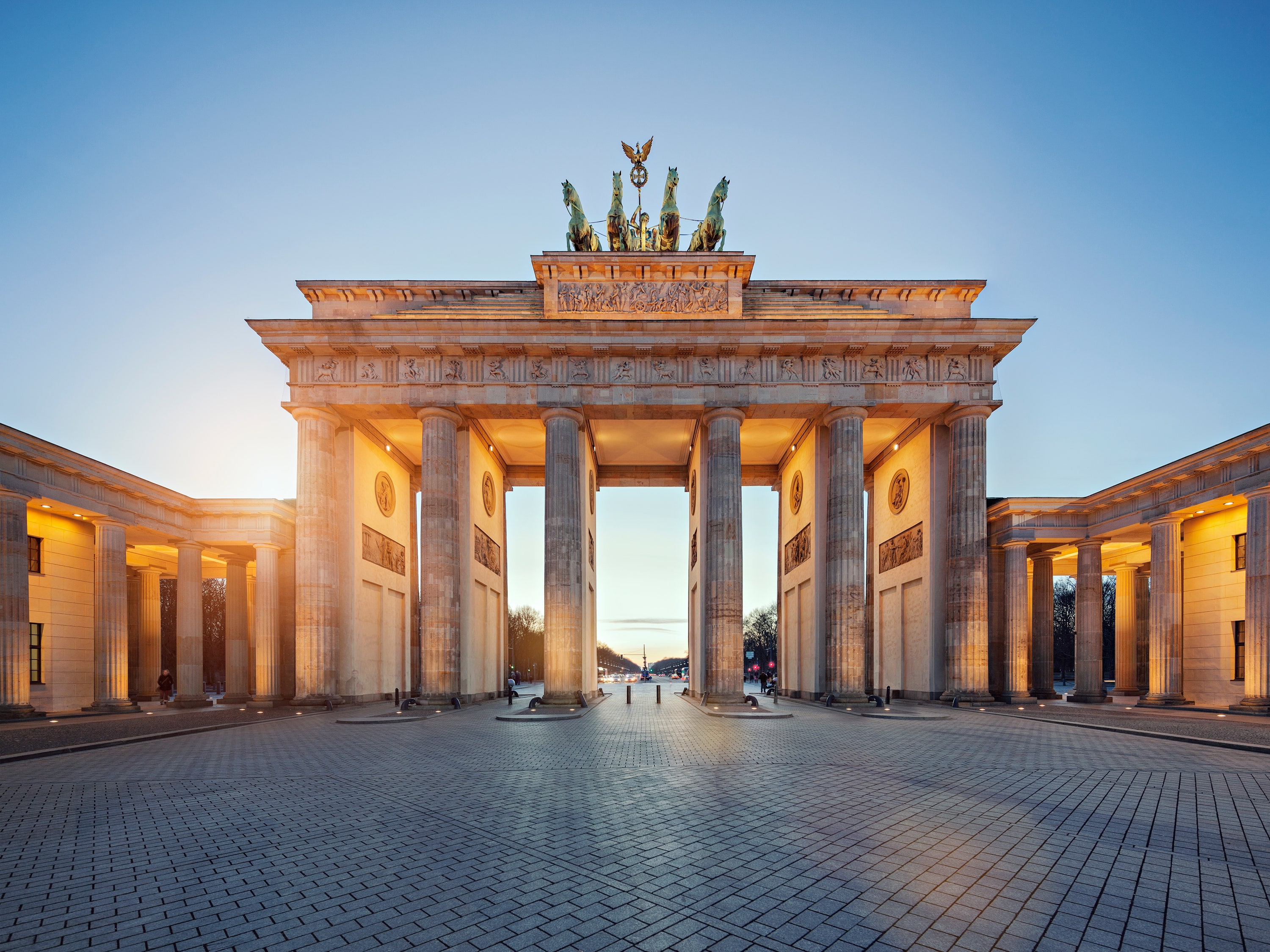
The Brandenburg Gate, the Reichstag and the Holocaust Memorial stand within a few hundred metres of each other, which makes the government quarter the one part of Berlin that behaves like a compact capital.
The dome is free and it is not a walk-in. Full names and dates of birth are registered ahead of the visit and the slot is timed. We do the registration as part of the booking, because a party turned away at the door remembers it.
From the programme
Berlin
Berlin Shore Excursion from Warnemuende – Private City Tour by Car Berlin is the reason most ships call at Warnemuende,…
View tour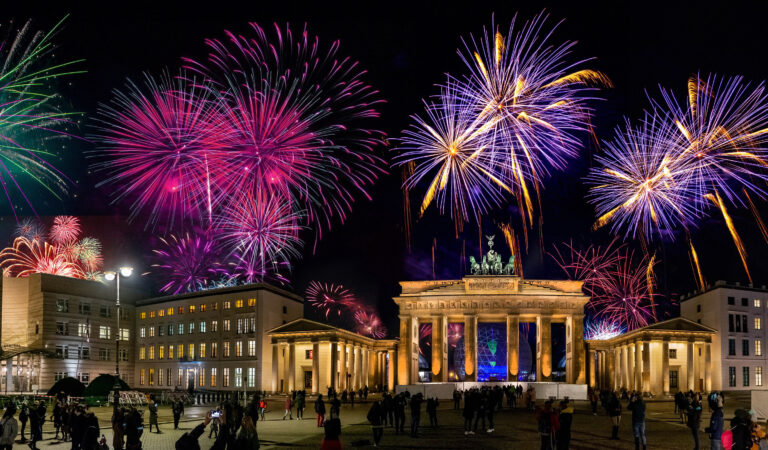
Berlin
Berlin After Dark – A Private Evening in the Techno Capital Berlin’s club culture grew out of the empty buildings…
View tour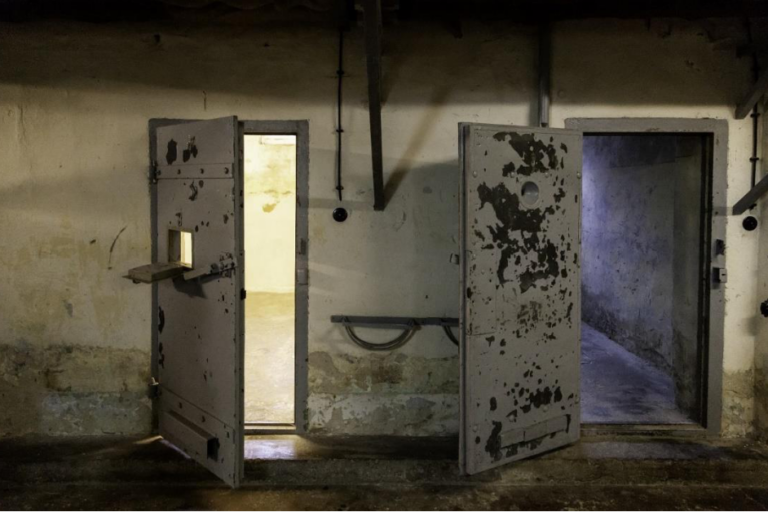
Berlin
Living Testimonies – An Encounter with Survivors of the Berlin Stasi Prison The memorial at Berlin-Hohenschoenhausen occupies the former remand…
View tourQuestions clients ask
Yes. Berlin became the capital of the reunified country in 1990, and the parliament and most ministries finished moving up from Bonn in 1999. Several federal offices stayed in Bonn, which is why clients occasionally read that Germany has two seats of government.
Not on a guarantee, and no operator anywhere can honestly offer one. The well-known techno clubs run their own doors and admit at their own discretion. What we do instead is a guided evening through the bars, courtyards and smaller clubs of Kreuzberg, Neukoelln and Friedrichshain with someone who knows which door is worth trying that night.
The Hohenschoenhausen memorial is shown only by its own guides, several of whom were held there, and the English tours run at fixed times on a published schedule. Your guide brings the party and takes over afterwards but does not lead inside. We build the rest of the day around the tour time. The Stasi Museum in the former ministry on Normannenstraße pairs with it well.
Potsdam, at forty minutes, for Sanssouci and Cecilienhof, with timed and capped palace entry that has to be held ahead. Sachsenhausen is under an hour north and is a memorial rather than a sight. The Spreewald is an hour south for the punt boats. Dresden and Leipzig are reachable in a day but are better sold as an overnight.
Send the dates, the party and the two or three subjects the clients actually care about. We come back with a routing by district, held slots and net rates.
Request net ratesAdvisor enquiries only · Virtuoso Preferred Supplier since 2013